How to Get Rid of Gnats: A Complete Step-by-Step Guide for Home & Plants

How to get rid of gnats is a common question because these tiny insects multiply fast and quickly invade kitchens, bathrooms, and houseplants. Gnats typically appear due to moisture, food waste, or overwatering of plants. While they may appear harmless, a gnat infestation can become frustrating and difficult to control if left unattended. The good news is that you can eliminate gnats using simple methods that work indoors, outdoors, and in potted plants. This guide explains why gnats appear, where they breed, and how to remove them permanently.

What Are Gnats?
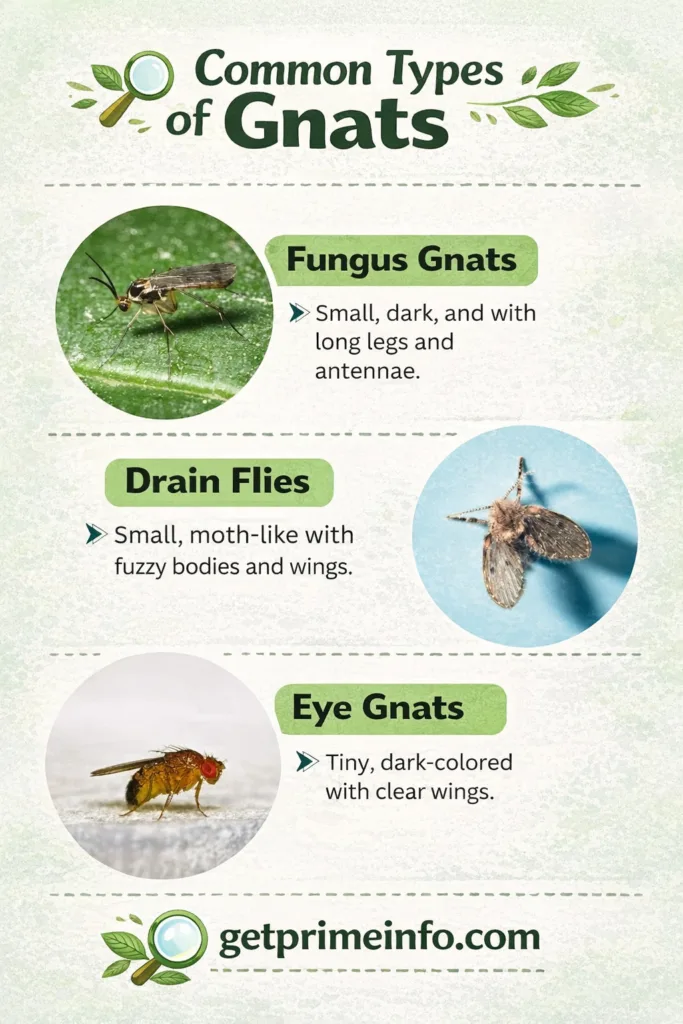
Gnats are small flying insects that belong to several species, including fungus gnats, fruit flies, and drain flies. They are usually black or dark gray and measure only a few millimeters long. Despite their size, gnats can become a serious nuisance when they gather in large numbers.
Most gnats thrive in moist environments. That is why they are often seen near sinks, trash cans, houseplants, and kitchen counters. Understanding what type of gnat you are dealing with makes it easier to remove them completely.
What Do Gnats Look Like?
Gnats are tiny, thin insects with long legs and wings. They are often mistaken for fruit flies, but gnats usually look slimmer and weaker in flight. Fungus gnats are dark and mosquito-like, while fruit gnats may appear lighter in color.
Gnats tend to hover around your face, lights, or windows. This behavior is one of the main reasons people notice them quickly inside the house.
Why Do Gnats Fly in Your Face?
Gnats are attracted to moisture, warmth, and carbon dioxide. When you breathe, your body releases carbon dioxide, which draws gnats toward your face. Sweat, body heat, and scented products can also attract them.
This behavior does not mean gnats are aggressive. They are simply reacting to natural signals that indicate moisture or food nearby.
Do Gnats Bite?
Most household gnats do not bite humans. Fungus gnats and fruit gnats are harmless and mainly annoying. However, some outdoor gnats, such as biting midges, can bite and cause itchy red marks.
If you are experiencing bites, the gnats are likely coming from outdoors rather than houseplants or kitchen areas.
What Causes Gnats in the House?
Gnats appear when conditions support breeding and feeding. Moisture is the biggest cause. Overwatered plants, leaking pipes, dirty drains, and uncovered food all attract gnats.
Gnats lay eggs in damp soil, rotting food, and organic buildup. Once the eggs hatch, the population grows quickly, leading to a full gnat infestation inside the home.
Where Do Gnats Breed?
Gnats breed in warm, moist areas that contain organic material. Common breeding spots include plant soil, sink drains, trash cans, and compost bins. Even a small amount of standing water can support egg-laying.
Because gnats reproduce fast, ignoring breeding areas allows them to return even after you kill adult gnats.
Gnat Lifespan and Why Infestations Spread Fast
The average gnat lifespan is about one to two weeks. During that time, a female gnat can lay hundreds of eggs. These eggs hatch within days, creating a cycle that feels endless.
Breaking the life cycle is the key to controlling gnats. Killing adult gnats alone will not stop the infestation unless breeding sites are removed.
Gnats in the Kitchen: Why They Appear
Gnats in the kitchen are usually fruit gnats or drain flies. They are attracted to ripe fruit, spilled drinks, dirty dishes, and garbage. Even crumbs or sticky surfaces can draw them in.
Kitchen gnats often gather near sinks, trash bins, and food storage areas. Cleaning routines play a major role in preventing them.
Fungus Gnats in Houseplants and Potted Plants
Fungus gnats are one of the most common indoor gnat problems. They live and breed in damp potting soil. Overwatering plants creates the perfect environment for them to thrive.
Adult fungus gnats fly around plants, but the real damage happens underground. Their larvae feed on plant roots, which can weaken or kill plants over time.
Can Fungus Gnats Cause Damage?
Yes, fungus gnats can damage houseplants. While adult gnats are mostly annoying, their larvae harm plant roots. This prevents plants from absorbing water and nutrients properly.
Young plants and seedlings are especially vulnerable. If left untreated, fungus gnats can slow growth and cause plants to wilt or die.
How to Get Rid of Gnats in the House
To get rid of gnats in the house, you must remove both the insects and their breeding sources. Start by cleaning surfaces and eliminating moisture. Then use simple traps to reduce adult gnats.
Apple cider vinegar traps are effective because gnats are attracted to the smell. Covering the container with plastic wrap and poking small holes helps trap them inside.
Step-by-Step Instructions to Eliminate Gnat Infestations
First, identify where gnats are coming from. Check plants, drains, trash, and food storage areas. Next, remove moisture and organic buildup. Let plant soil dry between watering.
Use traps to kill adult gnats while treating breeding areas. Continue this process for several days to break the life cycle and prevent new gnats from appearing.
How to Get Rid of Gnats in Plants Naturally
Reducing watering is the most important step. Fungus gnats cannot survive in dry soil. Allow the top layer of soil to dry completely before watering again.
You can also add a thin layer of sand on top of the soil. This blocks gnats from laying eggs and stops larvae from reaching the surface.
How to Control Fungus Gnats on Houseplants
Sticky traps placed near plants help catch adult gnats. This reduces egg-laying and gives you a clear sign of progress. Neem oil and hydrogen peroxide solutions can be used to treat soil safely.
Consistency is important. Treat all plants at the same time to avoid spreading gnats from one pot to another.
How to Get Rid of Gnats Outdoors
Outdoor gnats gather near standing water, compost piles, and shaded areas. Removing excess moisture and cleaning outdoor drains reduces their numbers.
Using fans on patios helps because gnats are weak flyers. Outdoor traps and proper landscaping also help control gnat populations naturally.
How to Prevent Gnats from Coming Back
Prevention is easier than removal. Avoid overwatering plants and clean kitchen surfaces daily. Dispose of trash regularly and rinse recycling containers.
Fix leaks and keep drains clean to eliminate moisture. These steps help eliminate pests and prevent future problems long-term.
Dig Deeper on Gnats: When to Call Professionals
If gnats continue to return despite cleaning and treatments, a professional pest control service may be necessary. Severe infestations may hide in wall voids or plumbing systems.
Professionals can identify hidden breeding sources and apply targeted solutions safely.
Final Thoughts: Getting Rid of Gnats for Good
Getting rid of gnats requires patience, consistency, and moisture control. Cleaning alone is not enough. You must remove breeding areas and stop the life cycle. Whether gnats are in your kitchen, plants, or outdoors, simple steps can solve the problem. With the right approach, you can eliminate gnats completely and keep them from returning.
Frequently Asked Questions About Getting Rid of Gnats
1. What is the quickest way to get rid of gnats?
The fastest way to get rid of gnats is to remove their breeding source and trap the adults at the same time. Clean drains, dry out plant soil, and remove food scraps. Use a simple trap, such as vinegar or soap water, to catch adult gnats while you eliminate moisture and organic buildup.
2. What smells do gnats hate?
Gnats dislike strong, natural scents such as peppermint, eucalyptus, lavender, cinnamon, and citronella. These smells overwhelm their senses and make it harder for them to find food and breeding areas. Using essential oils or scented candles can help repel gnats in small spaces.
3. What causes gnats to be in your house?
Gnats are usually caused by moisture and food sources. Overwatered houseplants, dirty drains, uncovered fruit, trash cans, and standing water all attract gnats. Once they find a breeding spot, they multiply quickly.
4. Does Dawn dish soap kill gnats?
Yes, Dawn dish soap can kill gnats. Dish soap breaks the surface tension of water, causing gnats to sink and drown. Mixing a few drops of dish soap with water creates an effective DIY gnat trap.
5. Where do gnats come from?
Gnats come from damp areas where they lay eggs. They often enter homes through doors and windows or arrive in plant soil and produce. Once inside, they breed in moist environments like drains, soil, and trash.
6. Why do I suddenly have gnats in my house?
A sudden gnat problem usually means something changed in your home. This could be overwatered plants, food left out, a clogged drain, or higher humidity. Gnats appear quickly when conditions support breeding.
7. What is the best DIY gnat killer?
One of the best DIY gnat killers is a mixture of apple cider vinegar and dish soap. The vinegar attracts gnats, while the soap traps and kills them. For a vinegar-free option, soap water alone also works well.
8. How to get rid of gnats naturally?
To get rid of gnats naturally, remove moisture, clean surfaces, and let plant soil dry out. Natural repellents like essential oils, sticky traps, and sand on plant soil help stop gnats without chemicals.
9. How to get rid of gnats fast?
To remove gnats fast, combine cleaning and trapping. Eliminate breeding areas, dry wet surfaces, and set traps immediately. Using multiple traps at once speeds up results and reduces the population quickly.
10. How to get rid of gnats without apple cider vinegar?
You can get rid of gnats without apple cider vinegar by using dish soap and water, sugar water traps, sticky traps, or essential oil sprays. Drying out breeding areas is still the most important step.
11. Do gnats go away on their own?
Gnats rarely go away on their own because they reproduce quickly. If the breeding source remains, new gnats will keep appearing. Active removal and prevention are necessary to stop an infestation.
12. Are gnats harmful to humans?
Most household gnats are not harmful to humans. They do not bite or spread disease. However, they are annoying and can damage houseplants, especially fungus gnats.
13. Can gnats live in drains?
Yes, some gnats, especially drain flies, live and breed inside drains. Organic buildup inside pipes provides food and moisture. Regular drain cleaning helps prevent this problem.
14. How long does it take to get rid of gnats?
With proper cleaning and treatment, most gnat problems improve within a few days. Complete removal may take one to two weeks, depending on the size of the infestation and how well breeding sites are removed.
15. How do I prevent gnats from coming back?
To prevent gnats from returning, avoid overwatering plants, clean drains regularly, store food properly, and take out trash often. Keeping your home dry and clean is the best long-term solution.